



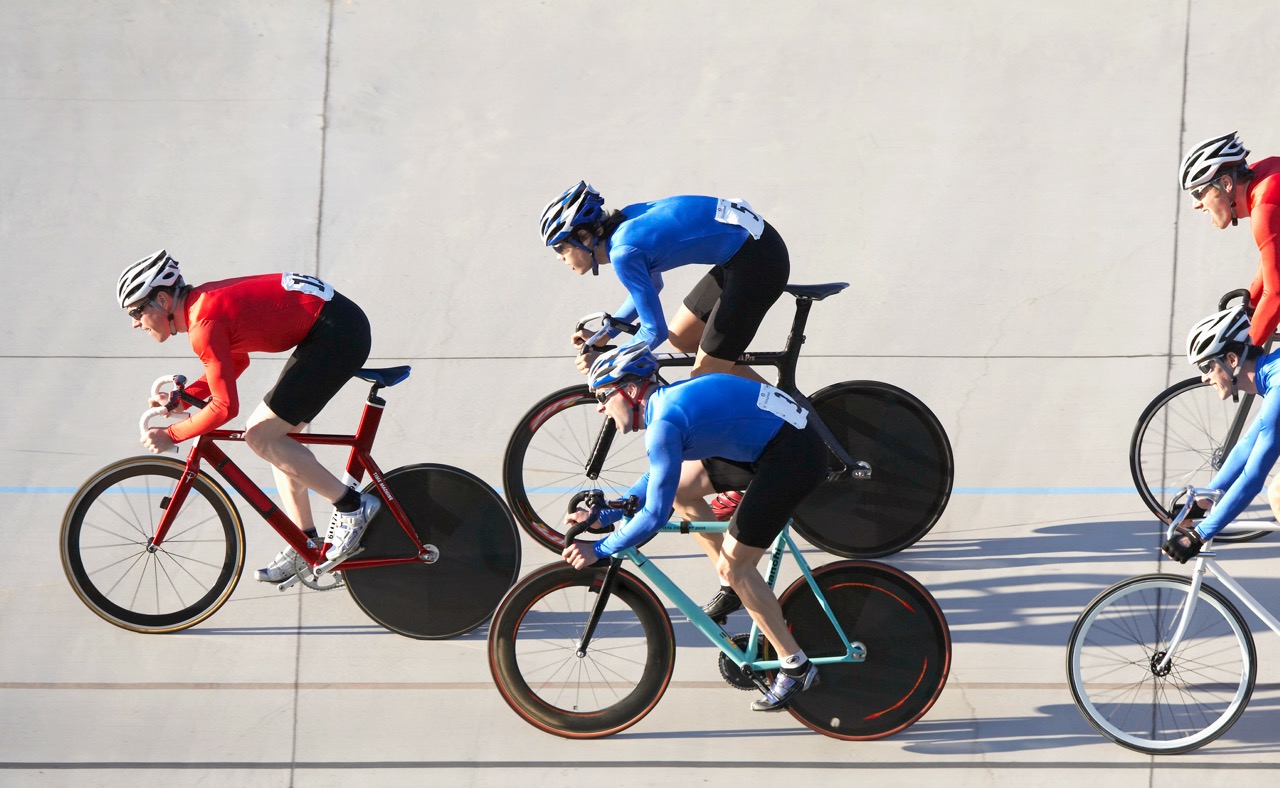


It’s been a long, dark, and if you live in the UK, incredibly wet winter. But the days are getting longer, the mornings are a bit less dark. Spring is just around the corner, and with it, hopefully the promise of some nicer weather to get out on the bike.
With indoor training becoming more engaging, most of us have likely been spending more time on the indoor bike than the outdoor one. As the weather gets better, that balance will likely swing to more riding outdoors.
However, to get the best out of riding, and training, finding the optimal balance between these two can really make a difference to both performance and enjoyment. So let’s have a look at how to combine indoor and outdoor training as we hit spring.

Indoor training is now a year round activity and accompanies your outdoor riding
How to find the balance between indoor and outdoor riding
It’s probably safe to say that, for the majority of cyclists, getting out on the open road is the essence of what cycling is about. Save for Esports racers, most cycling events or targets also revolve around cycling outside. So getting out and riding outdoors is obviously a key component of that.
However, with the advent of more indoor training platforms to keep things engaging, a rise in impatient drivers on the roads leading to some feelings of being unsafe, and more access to better training science and guidance, indoor training can still have a very important place in your schedule.
As a cycling coach, I tend to recommend to a lot of riders that ‘key’ sessions, those with specific structured intervals, are often more easily and safely completed indoors. But I always create the sessions in a way that they can be done indoors or outdoors.

Balancing the two options will generally lead to the most effective, and also efficient, use of time and training. Indoor training is great as there are no obstacles such as traffic and junctions, it’s very time efficient for those with limited training availability, and you don’t have to clean your bike after rides. Also certain efforts can be rather difficult to complete with the terrain across certain areas.
However, more often than not I see a lot of riders struggle with endurance rides indoors. There is a buildup of heat stress if your indoor setup isn’t adequately cooled, and for most people it is just not as fun. Getting outside on the road, and especially in the sun, does have genuine psychological and physiological benefits. Vitamin D exposure is essential, and partly why over the darker months, Vitamin D supplementation is often recommended to people in the Northern hemisphere.
And as mentioned before, most events are outdoor events, and require certain skills that can’t be honed riding indoors. From cornering and descending, to riding out of the saddle and using small gears and low inertia pedaling for steep climbs. There are also impacts on muscle activation patterns when riding on steeper gradients versus the flats, which is where indoor training places you if you don’t have an indoor gradient simulator.
Flexibility is key
But of course spring doesn’t mean baking sun and dry roads, especially not in the UK. This is why a flexible approach is best. As much as many of us prefer getting out on the open road when it’s nice, the rain can often put a literal damper on things. It can get cold, your bike needs cleaning, and airing out cycling shoes still won’t get them smelling their best after a wet ride.
Having flexible options really helps out here. As mentioned before, I always set out training sessions in a way that they can be completed indoors or outdoors. A good example might be an 8-10min block of 30/30 repeats. Indoors, this will involve a gradual warm up, 5min recovery periods between blocks, and a cool down. Outdoors, I suggest riders be more flexible with warm up length, extend periods between blocks if needed, and longer cool downs.
This allows a bit more time to get to suitable sections of road to complete an 8-10min effort block. The last thing you want is to be 6min into a block and then find you have a sharp descent or heavily trafficked area that makes the efforts impossible or unsafe.

Be aware of subjective measures
Balancing the two types of ride will be very beneficial regardless of the rider type you are. Taking three examples, let’s look at how balancing indoor and outdoor riding will likely benefit them.
The amateur racer: Key interval sessions will make a big difference to fitness levels, and are more easily completed indoors. Equally, with competitive events reduced over the winter and early spring months, doing some Eraces can help keep your racing edge, or help sharpen it in the leadup to target road events.
The Fondo rider: Again, with a specific training goal, key interval sessions will likely make up part of any structured plan geared towards these events. Being able to complete them efficiently and effectively is key, so indoor rides can help improve what you can get out of these sessions.
The Leisure cyclist: Even without specific goals or targets, riding indoors can still be very helpful for cyclists who just cycle for fun. Often, cycling is paired with busy work or family life, and there might not be time for a ride out on the road. Getting a ride indoors is a great way to do a cardiovascular session, which is great for long term health, without it impairing family and work commitments as well, or setting an excessively early alarm.
A part of being flexible with sessions is also understanding when mind should come first and body second. Riding bikes should be fun, and hours of indoor endurance rides and sweaty intervals can become tedious over time, especially with almost every day this year featuring rain or wet roads.
This is where being flexible to move around, or even ditch an indoor session, and instead head out for an hour, perhaps to the local café or bakery, or to meet up with a friend, is actually the best thing for both mind and body.
A training plan or routine is only good if you adhere to it, and for long-term adherence, it needs to be fun. So sometimes removing a key training session here or there and replacing it with a more mindful ride can pay real dividends in the long run.
Warning signs to look out for here are a general sense of lethargy, a feeling of just not being able to stand another indoor session, or even factors like restlessness and impaired sleep. Lethargy and fatigue don’t necessarily mean good sleep, often it is quite the opposite. Given the sometimes isolated nature of indoor training and winter, sensations of loneliness are another thing to watch out for.
Many clubs have group rides, which even in foul weather can bring a great sense of camaraderie as you brave the elements.

-
 Basso Palta III review: a gravel race bike for the speed merchants
Basso’s Palta III is a very fast machine, but don’t expect much in the way of creature comforts
-
 'Remco's going to be really happy' – Oscar Onley sees time trials as a 'main factor' in 2027 Tour de France route
Scot says he's 'fairly confident' against the clock, as he looks ahead to home Grand Départ


-
 'The key to maximising performance is consistent, high-quality training' – how to train for cycling better, in a fraction of the time
Fewer hours, better results? Zach Nehr explores how abandoning huge mileage for smarter, lower-volume training can help you succeed
-
 'The difference between a good and great Esports racer can be found in marginal gains such as fuelling properly' – The secret lives of elite indoor cyclists
Top-flight Esports racers hit WorldTour-level power numbers, but most are not professionals. We meet the indoor elites juggling ambitious racing goals around full-time jobs
-
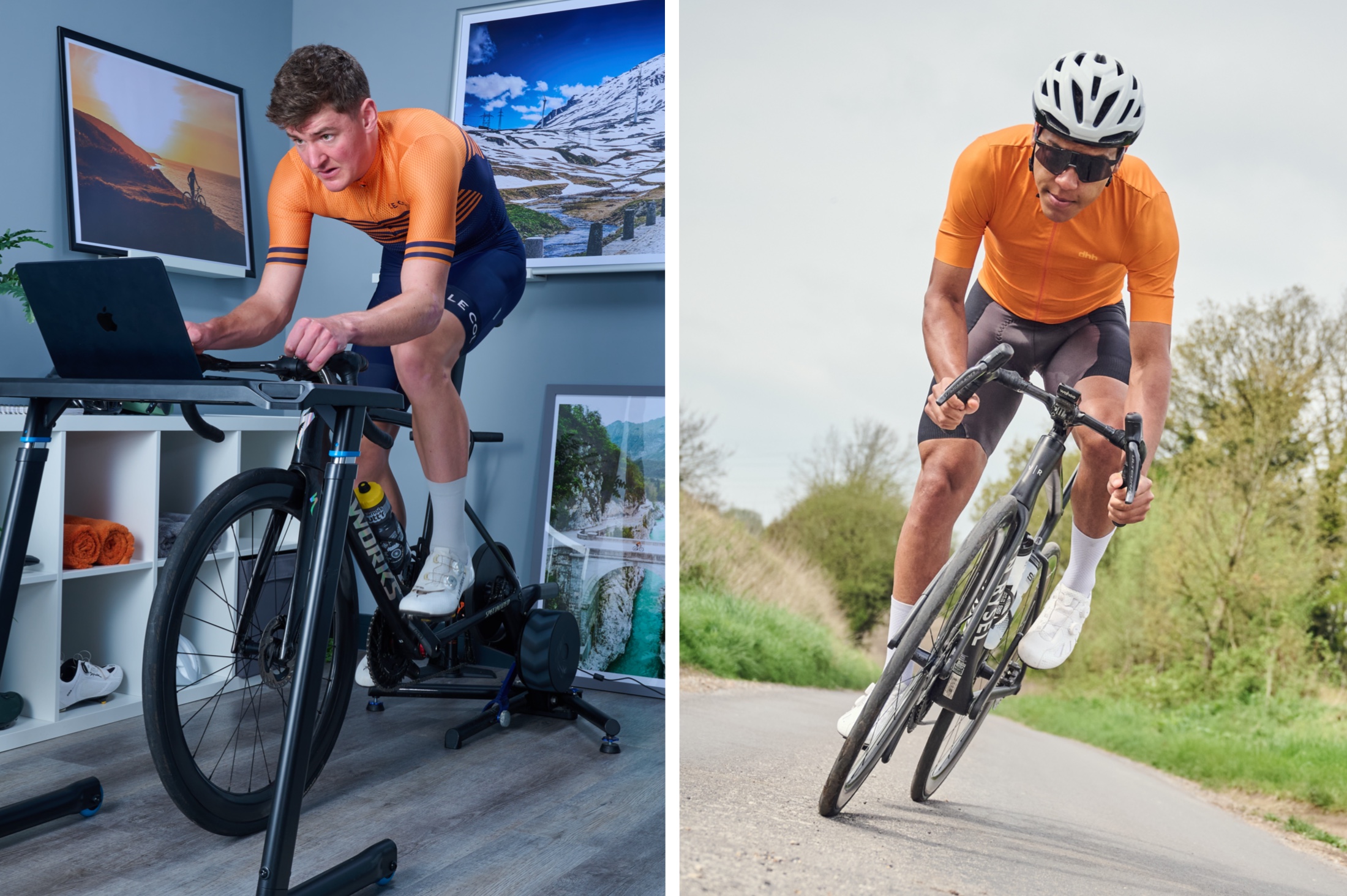 Climbing power indoors versus outdoors
Is there a difference, and why might that be?
-
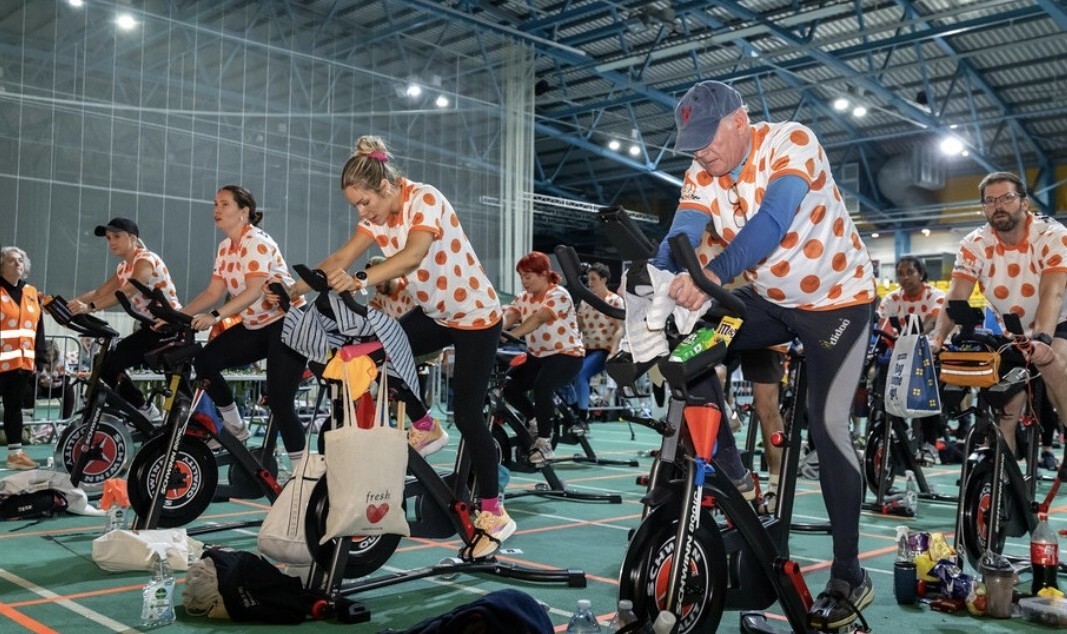 I rode a spin bike for 24 hours straight despite not knowing how to cycle – here's what I learned
One amateur cyclist took on a charity challenge and learned a lot about herself in the process
-
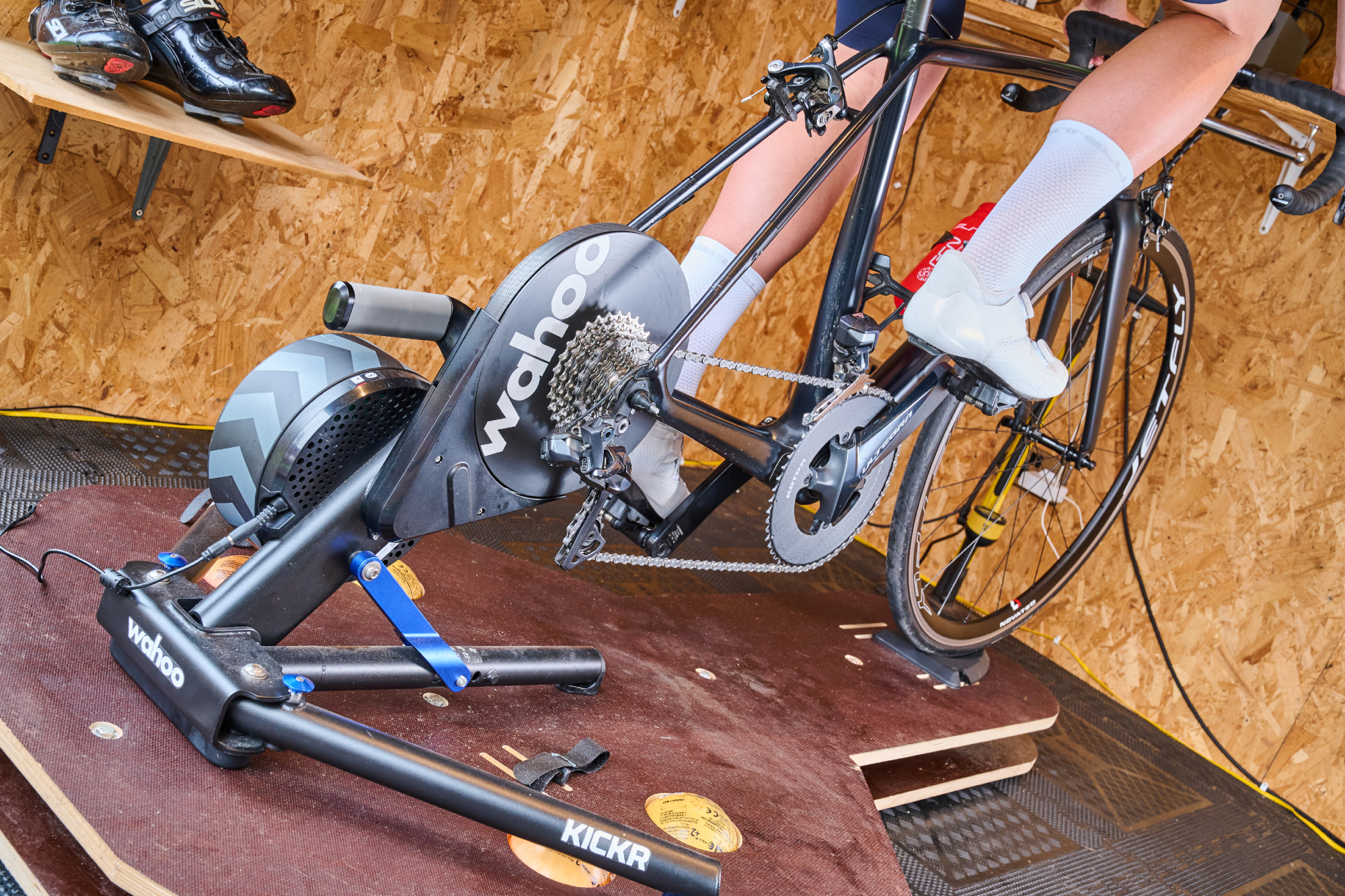 Forget aero, shorten your crank arms and point a fan at your bum: A bike-fit expert’s tips for your best indoor cycling season yet
How to ride longer and harder, feel better and avoid injuries while riding indoors
2 Comments -
 Take on the MyWhoosh UCI Cycling Esports World’s course like a pro
Two finalists reveal the stage-by-stage strategies that separate the podium from the pack. Exploit their insights to conquer the World’s course for yourself.
-
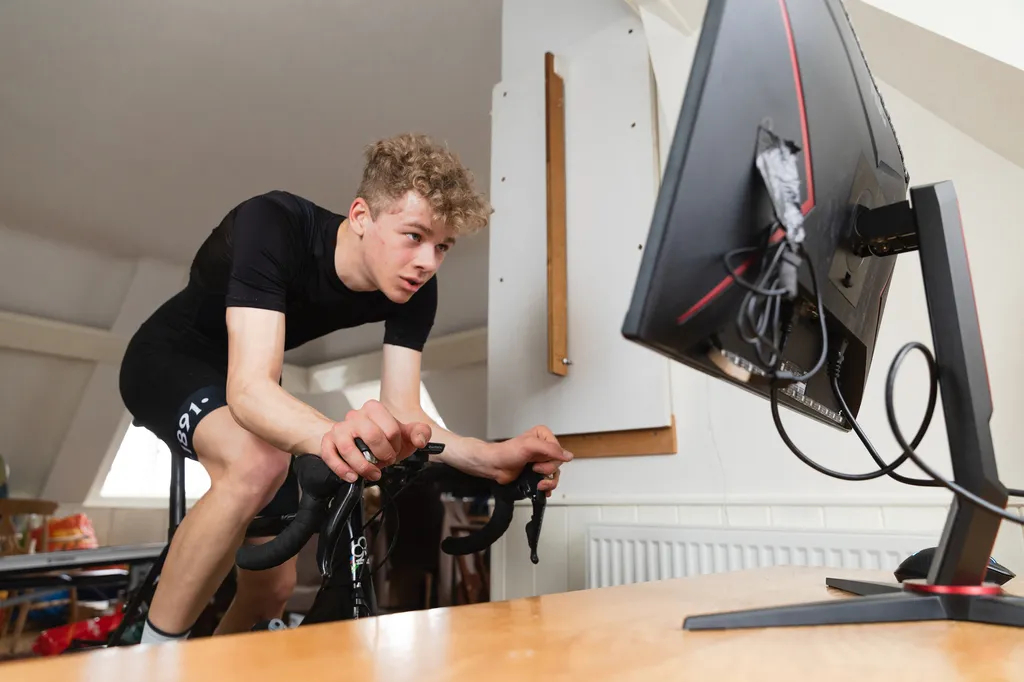 What we listen to: How the CW team stay motivated on their indoor trainers
From music to bakery programs, here's what CW staffers tune into when training indoors
-
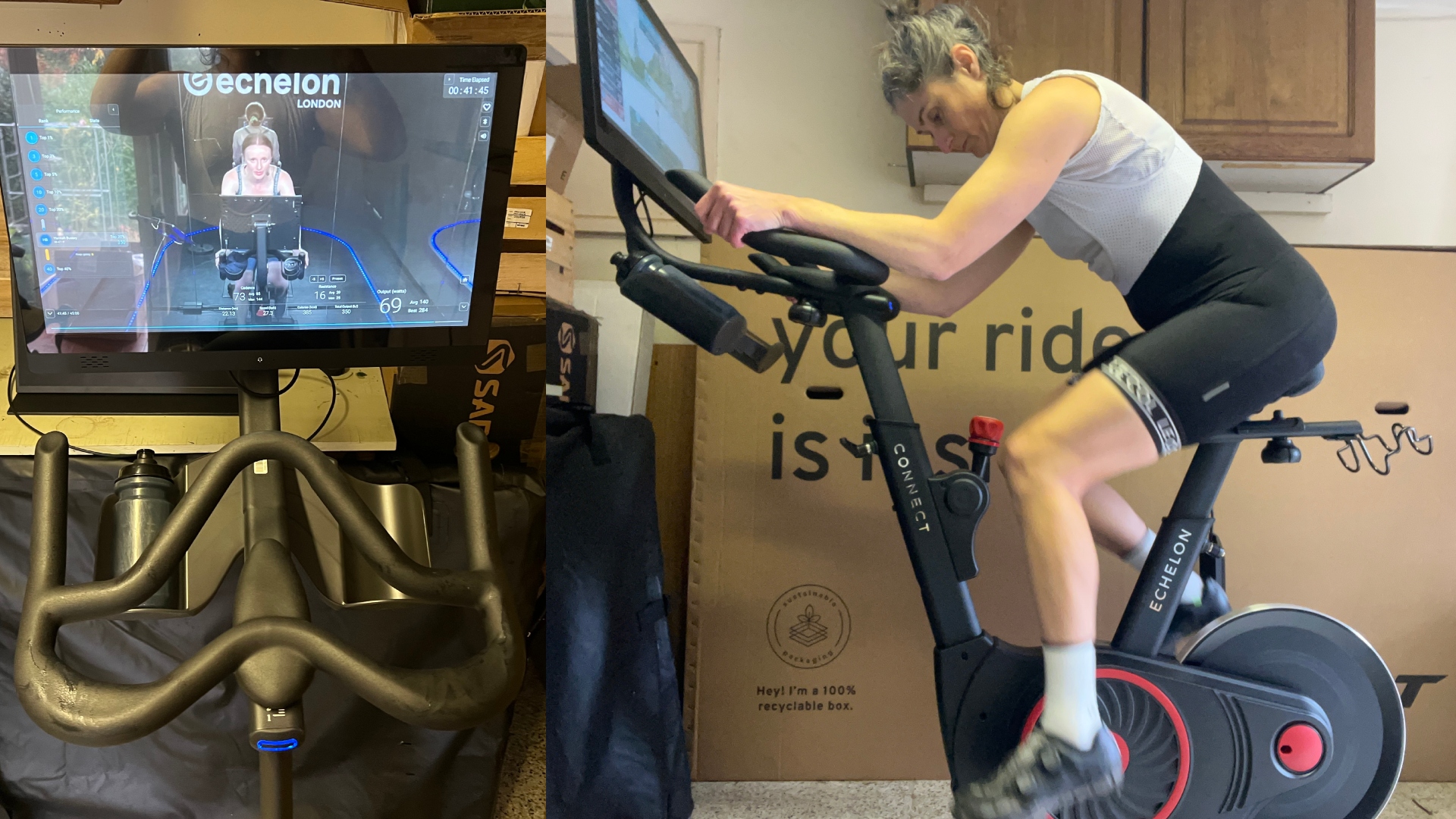 Echelon EX-5s review: a real competitor to Peloton and this one might just charm you off the proper smart trainer too
With convenience the real key to forming good habits there's a lot going for this kind of exercise bike, even if you're a 'proper cyclist' who has overlooked them before – if you can get past the obvious differences


