




Sponsor Content Created With

I took a Brompton to a 67km gravel event to prove they're not just a toy for the inner city...
The world's most famous folding bike is far more capable than many people think!
Much like we 'Hoover' our floors or 'Google' a question, Brompton is the household name for the folding bike. Visit any city in the world and you'll likely see the unmistakable silhouette of a Brompton, folded neatly on a train or whizzing between traffic.
It wasn't until I was on a train the other day though that I realised that people still seriously underestimate what this seemingly humble bike is capable of.

In an attempt to avoid the infuriating motorway morning rush-hour I'd opted for rail travel and was tapping away on my laptop, and I couldn't help but overhear a conversation. Two middle-aged gentleman in suits were discussing their onward journeys on arrival at our final destination. One would be using a bike, the other the London Underground and then a taxi.
The second gentleman exclaimed that he'd love to ride a bike but that it simply wasn't possible due to his train journey, a lack of bike parking at his office, plus the fact that he had about 10 kilometres to ride once free of public transport. A folding bike wouldn't be capable of that he confidently stated.

I suppressed the urge to correct him, but it did get me thinking about how I could prove the fact that folding bikes are way more capable than many people give them credit for.
It just so happened that my friend Max and I had a gravel event booked for the coming weekend and a few phone calls later it was decided – our 700c wheels would be swapped for smaller ones, carbon fibre would be traded for steel and – as a bonus – it was now going to be much easier to transport two bikes halfway across the country!

Admittedly, a 67km gravel event is nothing compared to what some people have achieved on their Bromptons. The trusty Swiss-Army knife of bikes has tackled round-the-world attempts, the Tour de France route and can even lay claim to the highest ever bike ride. I'm a folding bike novice though, I've ridden one only once before and that's still once more than Max!

This time, though, I'd be on a G-Line, Brompton's most capable bike ever. It still packs down to around the size of a suitcase but in Brompton's words is "the most versatile bike in the world" and the "best one-bike solution for the city and beyond".

Not only are the handlebars wider than you'd usually find on a Brompton but it also features larger 20" wheels rather than the classic 16" so it rides much more like a full-sized bike. I was pretty smitten with my choice until I saw what Max pulled out the boot of his car – an Electric G-Line.

Just like on my orange G-Line, and all other Bromptons for that matter, (apart from the uber-light titanium T-Line) the steel frame of the Electric G-Line is hand-brazed in London, just like they have been since 1975.
However, at the rear you’ll find a hub motor which can provide a generous 250 watts of assistance thanks to Brompton's EMotiq system and it's powered by a 345 watt hour battery located at the front in a roll top bag.
That’ll take four hours to charge fully and the predicted range is displayed on the LED display on the handlebar. Brompton claims up to 50 miles of range with the G-Line Electric although with the Max darting off on every incline would it last till the end of our gravel event?

Setting off, neither of us knew what we were getting ourselves in to – judging by the comments from our fellow gravel goers it would be an impossible task, but as we hit the first fire road we found ourselves moving along nicely.
From my limited experience on folding bikes (and probably also some misconceptions) I'd been expecting mile after mile of clutching at the handlebars trying to control an overly lively front wheel. That simply wasn't the case, though, and we soon ticked off the first 20 kilometres of gravel chatting about our weeks, soon forgetting that we'd been unfolding our bikes earlier in the day.

Apart from Max ditching me on every incline with nothing but a small whir to indicate any foul play we made it to the mid-point feed station without issue.
Whether or not a Brompton should be electric is a topic that I'm sure will be hotly debated but what it does do is break down another barrier preventing people from commuting on bikes and making longer distances far more achievable.

Despite hitting the most technical terrain of the day in the final third we powered on and even started to catch some riders who had set off earlier in the day.
Like the people we met during the event, I had doubted whether it was even possible to finish a full-fledged gravel ride on a Brompton. In truth we hadn’t just survived, we’d had a genuinely good time, the bikes may not have been as capable as some of the dedicated gravel bikes and mountain bikes on the course but neither did we feel that we'd found the limits of either our capabilities or our folding bikes.
With only a few kilometres left we even found a small group to sit in to carry us to the finish.

For 50 years Brompton has been making bikes and for 50 years people have been doing silly stuff on them - there's even a Brompton World Champs!
Why? Because, despite them being designed as a tool people absolutely adore them and not just cyclists either; they're the only bike that you can carry into an office or a cafe and not get odd looks. You can also keep one running smoothly year after year thanks to readily available spare parts and you can even customise them.
It was as it started to rain at the finish line that the Bromptons really came in to their own though. Thanks to some clever engineering they were folded in the back of the car in less time than it took our rivals to remove a front wheel. Smug, satisfied and vindicated we headed home.

If a pair of Bromptons can get us around 67km of fully fledged gravel then I'm pretty confident that they can get across any city in the world. Even one as pot-holed as here in the UK!
The G-Line proves that, unless you want it to, a folding bike doesn't need to clock off at 5pm on a Friday afternoon and that the world’s most famous city bike is not only capable of getting you to work, it’s capable of getting you away from it as well.
Thanks to Brompton for lending us the bikes and if you like the look of what you've seen you can book a test ride or find a retailer here.
-
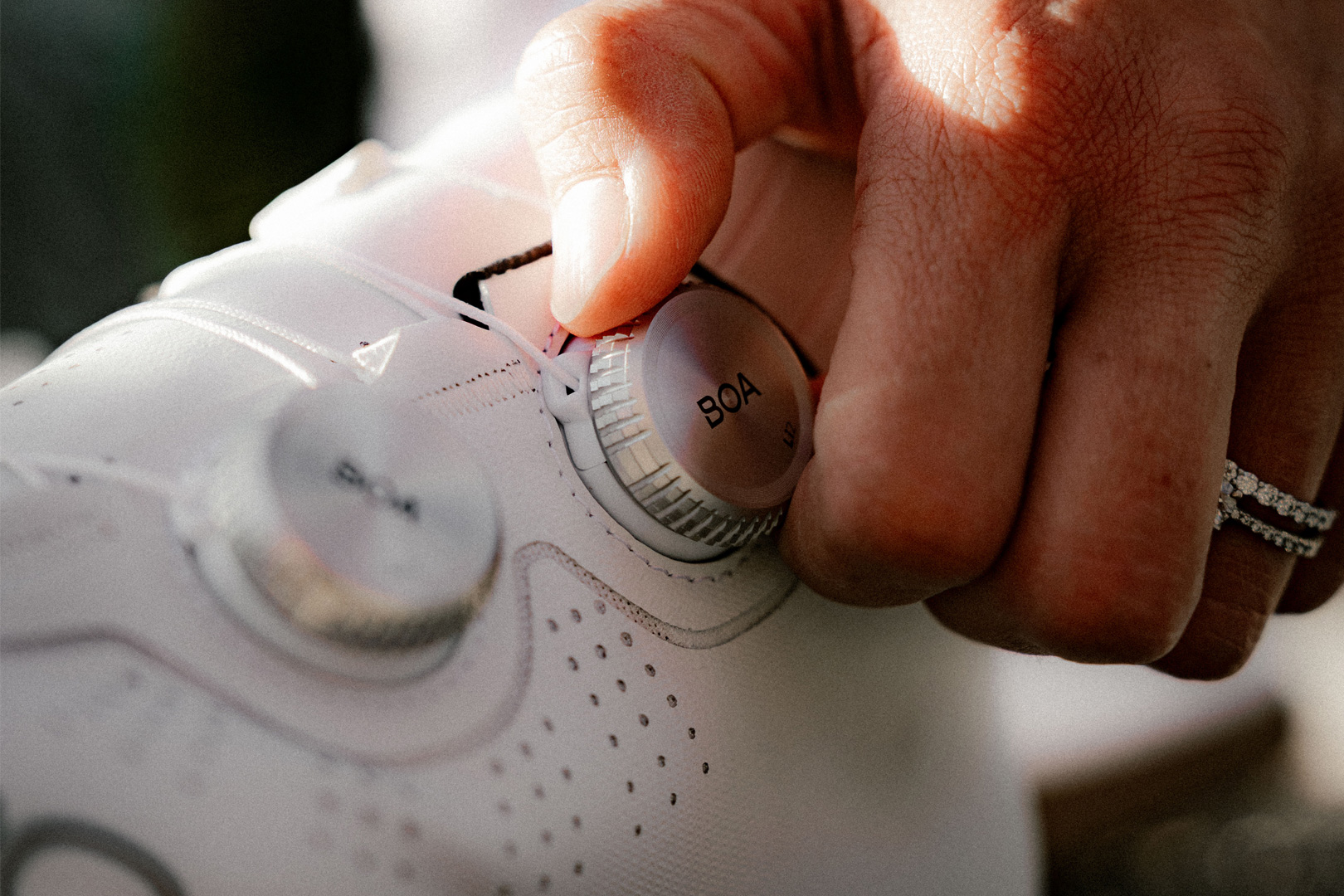 Dialed in: How shoe fit impacts performance and how BOA helps cyclists get it right
A BOA Fit System could be the missing piece of the performance puzzle
-
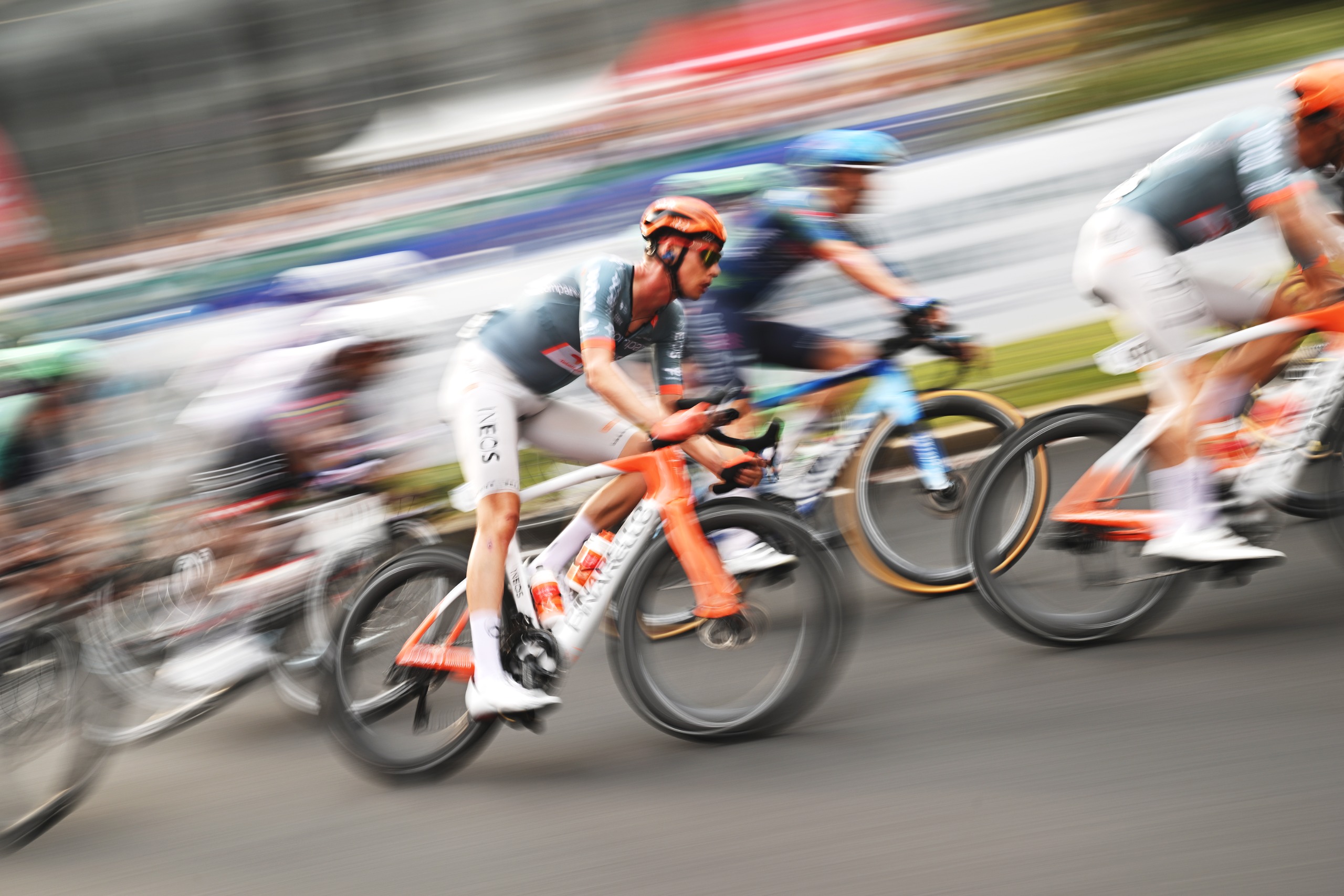 Netcompany-Ineos did not have a bad season, yet transfers point to more overhaul at the British squad – can they get back to former glories?
A joint-record amount of signings points to revolution not evolution


-
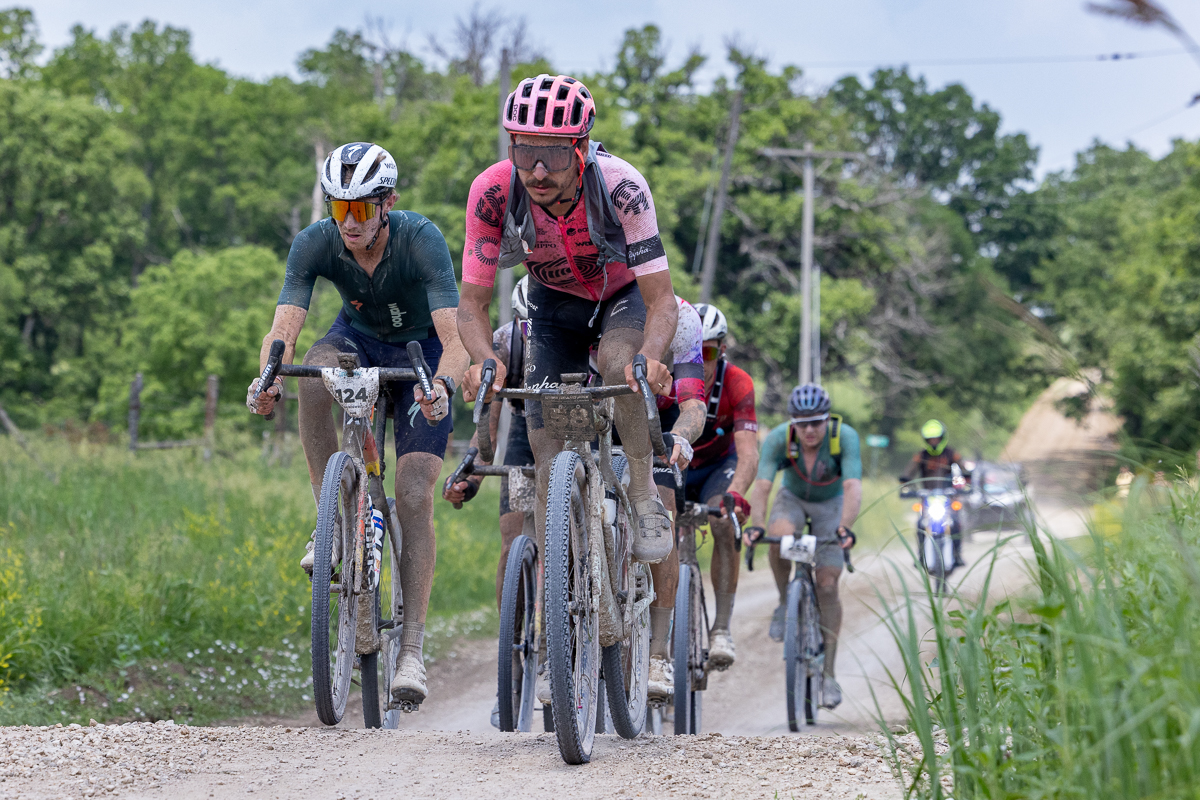 Unbound Gravel heads to Europe with its first-ever qualifying event in Belgium
Unbound hopefuls can now bypass the yearly Unbound lottery by earning a slot at the event's only qualifying event: Heathland Gravel in Belgium.
-
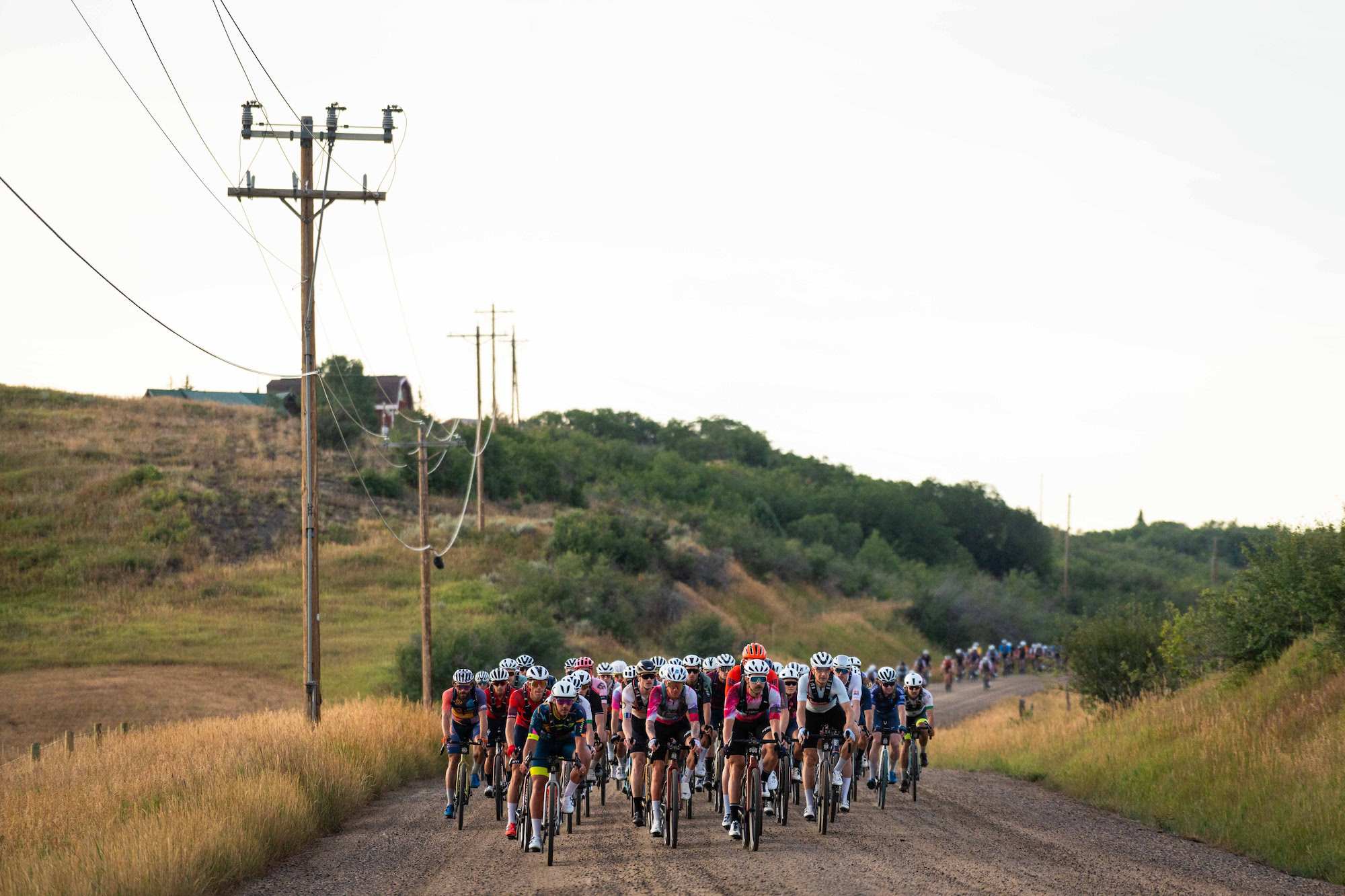 Rude cyclists, trash and toilets: US ranchers fed up with SBT GRVL and disrespect from riders
Colorado ranchers say significant changes need to be made for SBT GRVL and Colorado agriculture to coexist in peace
-
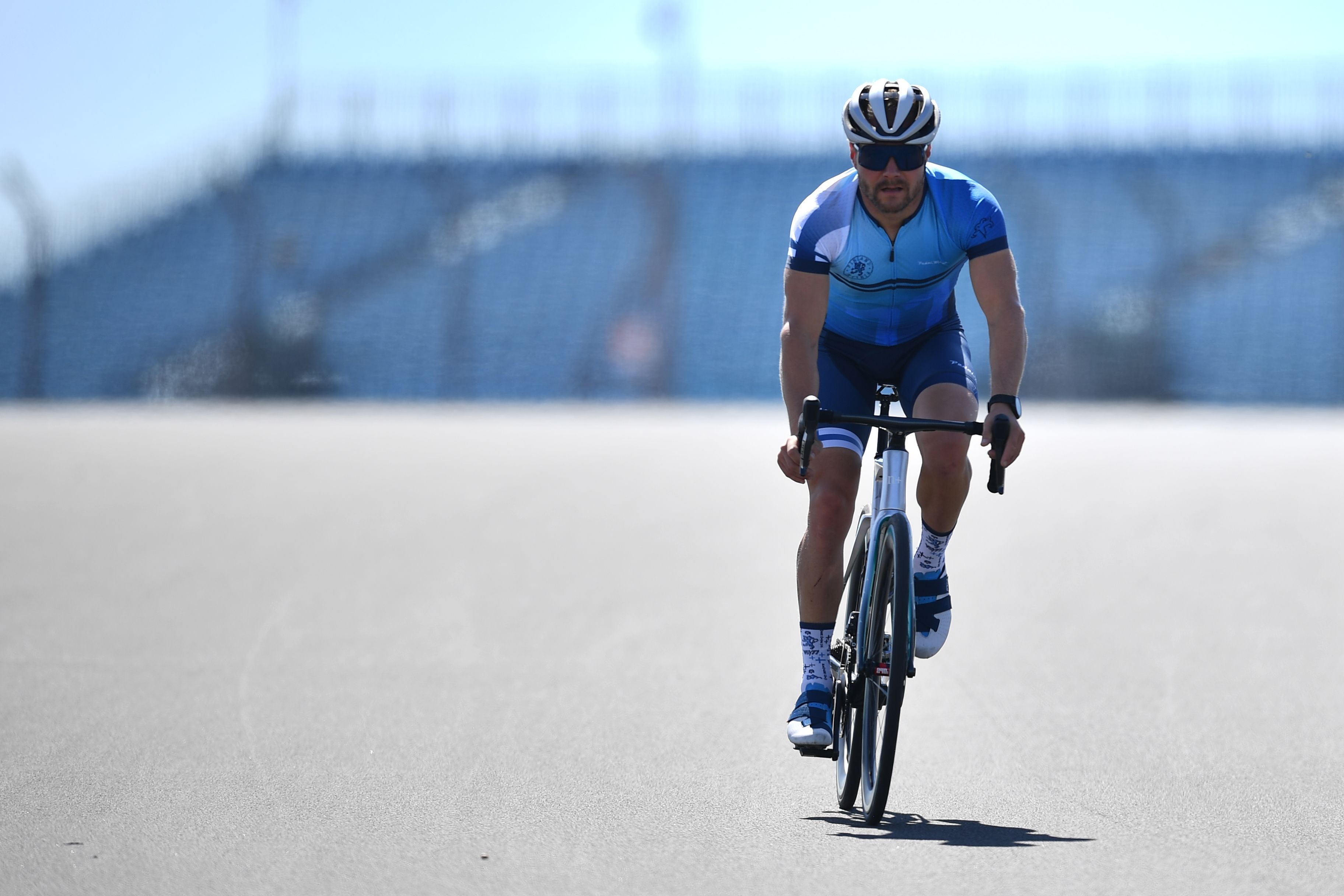 ‘I take bike racing seriously’ — Formula One's Valtteri Bottas has sights set on Gravel Worlds in 2024
Sixty-seven-time Formula One podium finisher Valtteri Bottas will add a new challenge to his 2024 schedule: trying to qualify for this year's Gravel World Championships in Belgium in October.


