




Like most cyclists, I love being out on the roads, not least because it’s incredibly good for my health. A 2017 University of Glasgow study found that those who rode an average of 30 miles per week reduced their risk of premature death by 41% and their risk of heart disease and cancer by about 45%, compared with those who chose ‘non-active’ modes of transport. The mental health benefits of cycling outdoors in the fresh air are also well established.
That’s not to say that I’m blind to the risks of sharing the roads with more and more people driving increasingly larger, heavier vehicles. According to statistics revealed by IAM RoadSmart last summer, 58 per cent of motorists are unaware that they should leave at least 1.5m of space when overtaking a cyclist, and 34 per cent reported often seeing drivers close to passing riders.

Both front and rear units provide auto-looping technology, so you never miss crucial evidence.
I’m a pragmatist. I love going for a ride, yet as a vulnerable road user, I’m also aware that I need to do everything in my power to stay safe, because, put bluntly, I cannot rely on my fellow road users. The solution? I’ve found that riding with a dedicated bike 'dashcam' system – a front-and-rear set of cameras from Cycliq – is both a powerful deterrent and an incontestable source of evidence.

Small yet powerful, the Fly6 Pro features 4K UHD recording up to 3840 x 2160p.
Cycliq, which pioneered the first integrated light-and-camera system in 2014, has spent the last decade refining its safety tech to the point where its front-facing Fly12 Sport and the rear-facing Fly6 Pro provide a comprehensive safety net. Purpose-built for the road, they combine powerful lights with high-definition recording that runs silently in the background. I think of the combo as a dashcam for my rides.
The specs are impressive. The Fly12 Sport offers QHD recording up to 2560 × 1440p at 30fps with audio and 6-axis image stabilisation. The light is 400 lumens, and the unit will continuously record for a whopping seven hours before draining the battery. The Fly6 Pro offers 4K UHD recording up to 3840 x 2160p at 30 fps, also with audio and 6-axis image stabilisation. Its dual light is rated at 100 lumens, and it will continue to shine and record for up to seven hours.

The Fly12 Sport offers QHD recording up to 2560 × 1440p at 30 fps, and both units feature 6-axis image stabilisation for ultra-sharp images – critical for accurate registration capture.
Both units are ‘set-and-forget’; a single press activates the recording and the lights. Crucially, they feature auto-looping technology and an ‘Incident Protection’ mode, which automatically saves and locks footage if the internal sensors detect a collision.
What separates these units from generic action cameras is their black box functionality.
What separates these units from generic action cameras is their black box functionality. While a standard camera might overheat or run out of storage mid-ride, Cycliq’s hardware is built for endurance, so you’ll never be left wanting for evidence, even on big days in the saddle.
The 6-axis stabilisation is particularly useful; it ensures that on pothole-pocked urban streets and country road to gravel transitions, the footage remains steady enough to resolve a license plate at a distance. Furthermore, the Fly6 Pro’s 4K recording provides the high-fidelity results needed for legal clarity in low-light conditions.

You'll never ride alone again. The Fly12 Sport and Fly6 Pro bundle provides a comprehensive bike 'dashcam-style' safety net.
This reliability feeds into a growing global infrastructure for rider safety. Whether you are submitting footage to the UK’s Operation Snap or similar police portals across Europe and the USA, the requirement is the same: clear, timestamped, and indisputable evidence. For the near-misses that don't meet a criminal threshold, UpRide.cc – a Cycliq-led global initiative – allows riders to anonymously upload and map dangerous incidents.
By contributing to this global database, your footage does more than protect your own interests; it creates a heat map of road danger that pressures authorities for better infrastructure. Ultimately, these cameras offer more than just a recording; they provide a collective voice on our increasingly crowded roads.

-
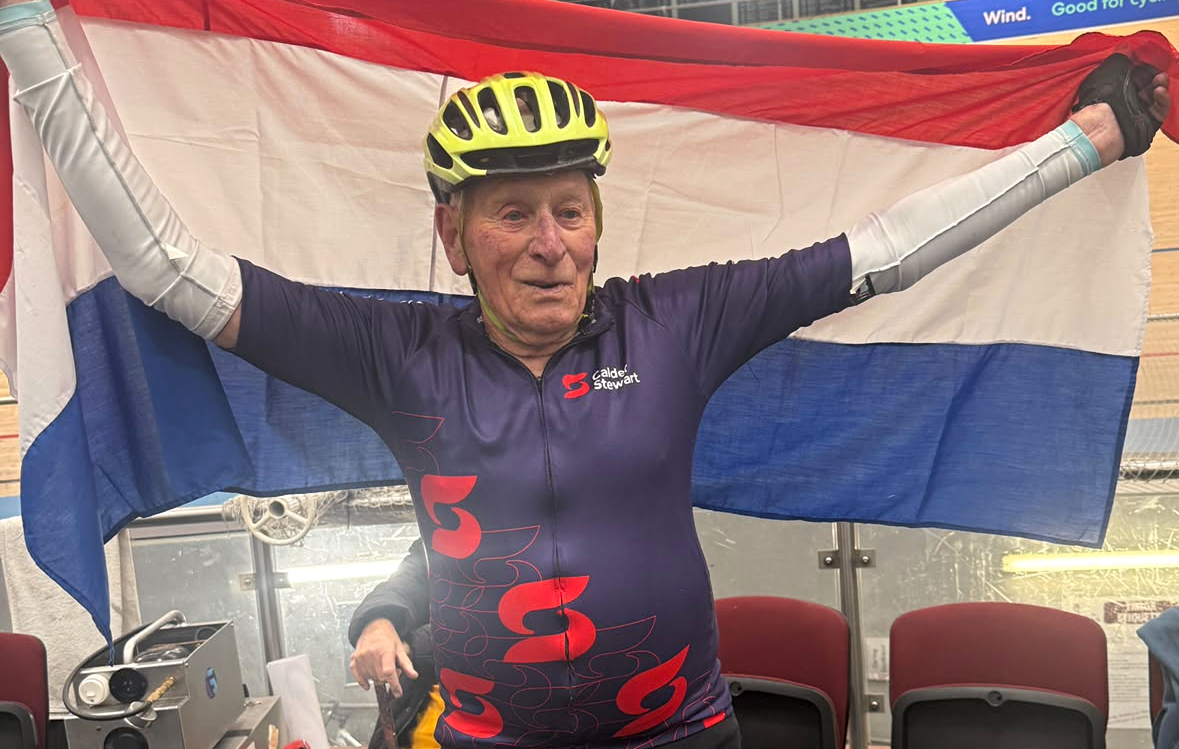 'You've got to challenge yourself' – 95-year-old smashes cycling Hour Record on birthday
Peter Grandiek beat the previous best by almost 3km and had to undergo anti-doping testing
-
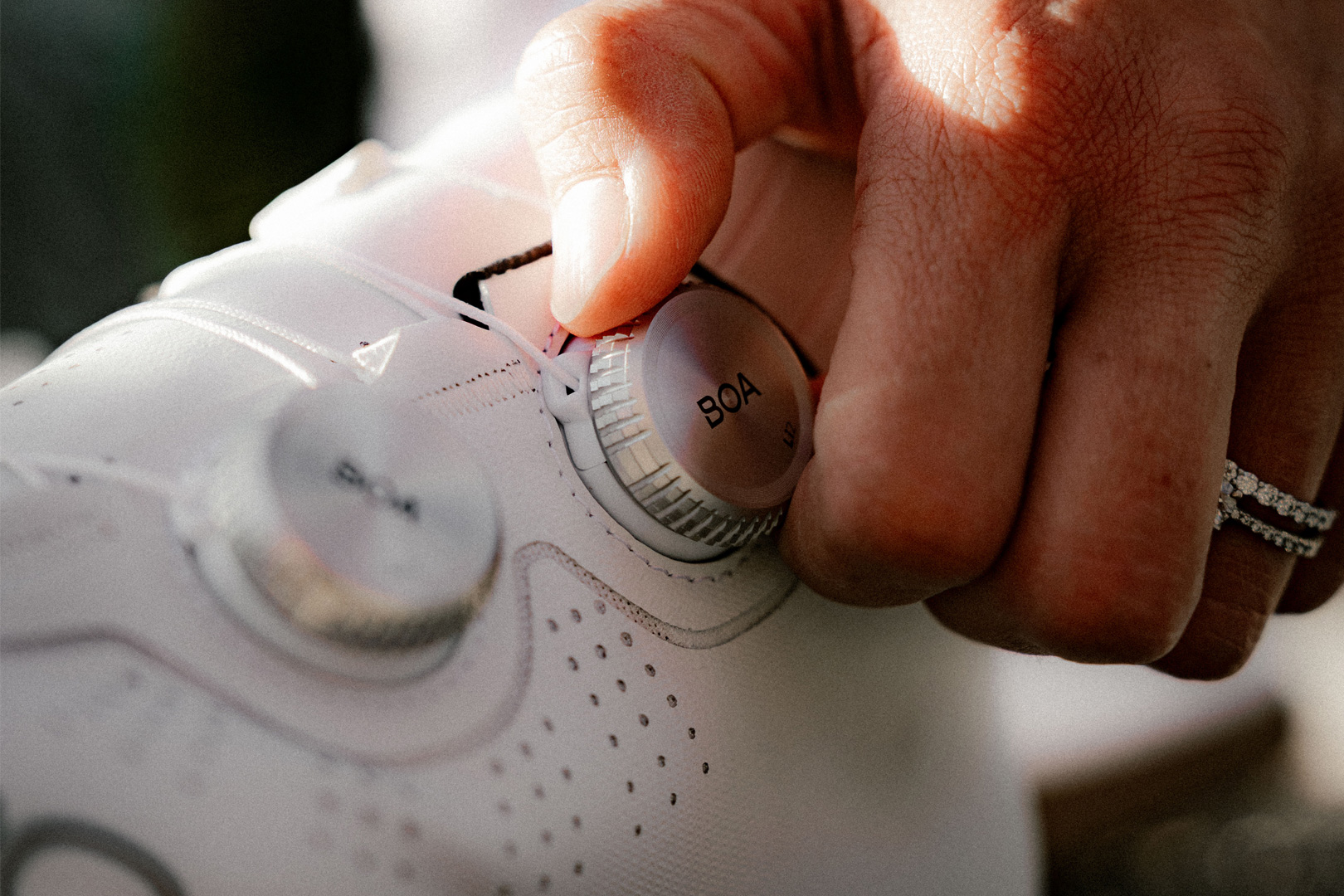 Dialed in: How shoe fit impacts performance and how BOA helps cyclists get it right
A BOA Fit System could be the missing piece of the performance puzzle

