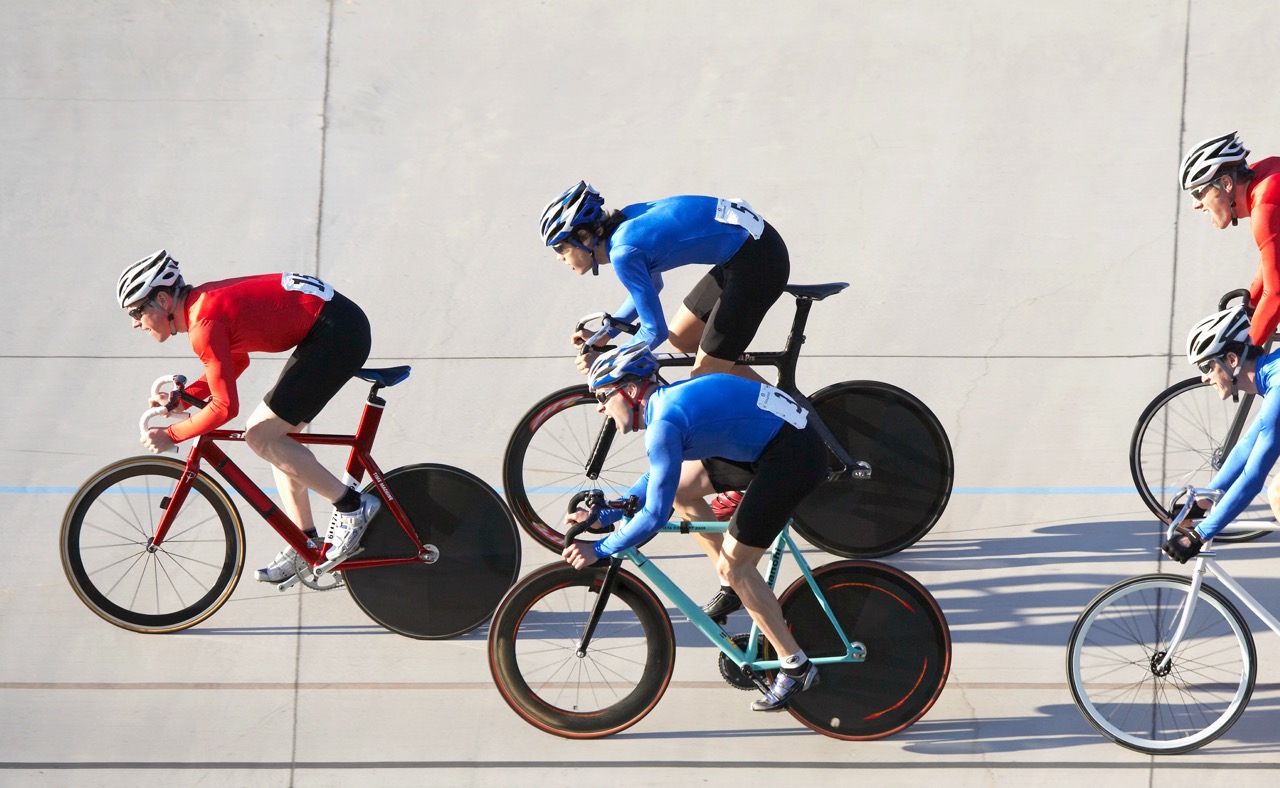



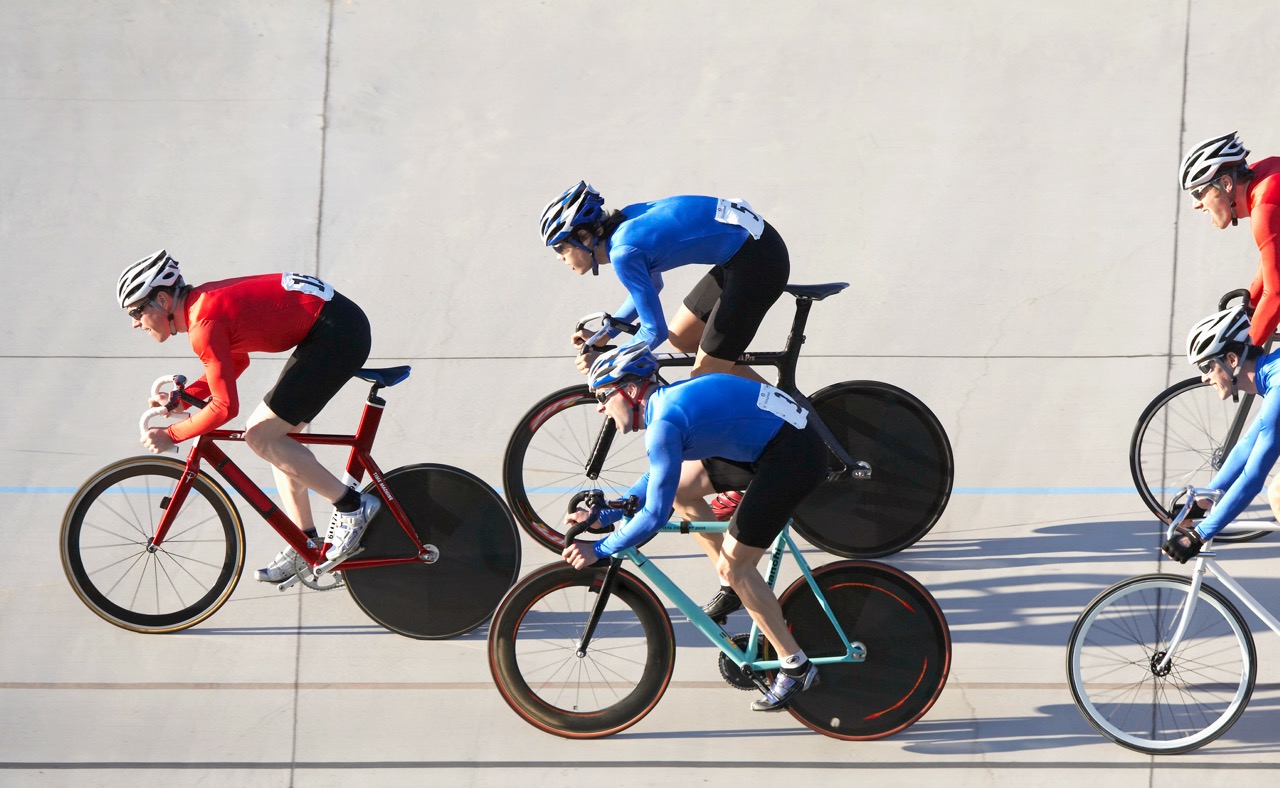


'I don't think anyone has actually crashed because their bars are too narrow' – riders frustrated by new handlebar width rule at British road races
UCI’s new minimum handlebar width rules continue to ruffle riders' feathers as British Cycling attempts to clarify its position


The ever-lively debate about the UCI’s minimum handlebar widths, and how (and where and why) the new restrictions are going to be enforced, has been reignited after a video emerged of a British Cycling commissaire measuring bar widths and the gap between brake levers at a British road racing event at Lee Valley Velopark in London over the weekend.
The footage, taken by track cyclist and 2025 Master's Kilometre TT National Champion Atiba Quildan (who has posted detailed explainer videos about the subject in the past) showed several riders being forced to significantly adjust their shifters just before riding, in order to comply with the controversial new UCI minimum bar width specifications.
The video sparked a deluge of acerbic comments from other riders, bristling not just about the details and impact of the restrictions, but also the lack of clarity about whether British Cycling was really intending to enforce them to the letter, or not.
Quildan told Cycling Weekly that the problem was a lack of consistency, with anecdotal reports that the restrictions had not been applied at earlier events, and that there had been little coherent advice from the governing body, leaving riders unclear about the legality of their set up. The changes were brought in for safety reasons, and tragically a cyclist did die during a road event at Lee Valley last year, which Quildan believes may have led to the venue having a commissaire there to double down on the enforcement of the UCI rules.
But with confusion reigning, riders were arguably placed in more jeopardy by having to change the position of their shifters at the very last minute. “One guy told me he was struggling to stop,” said Quildan. The situation led to people such as former team pursuit world champion, Hour Record–holder and now head of engineering with Red Bull-Bora Hansgrohe Dan Bigham bemoaning a lack of communication from British Cycling about the new regulations.

Amongst the ranks of pro racers there has been a tendency for bar widths to get shorter in recent years, with some notable exceptions, like Classics specialist and multiple cyclo-cross world champion Mathieu van der Poel.
However, midway through last year, as part of a raft of new rules ostensibly intended to improve safety, the UCI announced that a new minimum handlebar width for road bikes of 400mm would be introduced from the beginning of the 2026 season. That's a 50mm increase from 350mm, measured between the outer edges.
This came along with a new minimum gap between the inside of shifter/brake hoods of 280mm. (This latter measurement was a compromise, after the minimum space between levers was initially set at 320mm.) The UCI stated that this rule would apply to bikes taking part in mass-start events. Track bikes, which previously didn’t have a minimum bar width restriction, will see a new rule form January 2027, which specifiies bars must be 350mm outside to outside.
The decision to apply these rules immediately caused concern across the industry, with component manufacturers, team bosses, bike-fit pros and others expressing their disquiet about the impact it might have on production and performance, and critics pointing out that the minimum width stipulation would have an especially negative impact on smaller riders and women cyclists. Initially it seemed as though British Cycling were not going to apply the restrictions, but then out came the video of the commissaire brandishing a yellow measuring stick.

Contacted by Cycling Weekly, British Cycling acknowledged that there had been some confusion around the new UCI technical regulations, and said it was in process of clarifying how the rules would be applied in Britain with all license holders.
The forthcoming clarification stated that, according to British Cycling regulations (R2.1.1, page 109 of the 2026 Handbook): "Unless expressly authorised by the format of the competition, events held under these Technical Regulations are restricted to cycles that are compliant with the UCI Regulations, save for the UCI minimum overall width of handlebars."
British Cycling went on to explain that, in practice, this means the following:
"Riders competing in British Cycling road, circuit and cyclo-cross sanctioned events (including Nat A, Nat B, Reg A, Reg B and Reg C/C+ road and circuit events) do not need to adhere to the new UCI regulation prescribing a minimum overall width of handlebars of 400mm, but they will need to adhere to the minimum distance between the brake lever hoods of 280mm (and also the maximum wheel rim depth of 65mm).
"However, riders competing in UCI road, circuit and cyclo-cross sanctioned events will need to adhere to all UCI regulations. Such events include: Lloyds National Road Championships, The 20th Rutland International CiCLE Classic and the City of London Nocturne Elite Crits. And in cyclo-cross, this applies to any Elite and Junior race which is registered on the UCI calendar."
There is much scepticism amongst riders about whether the new rules actually make cycling safer. “Obviously it’s good that British Cycling have clarified their position, but I don’t think the new UCI rules should have been implemented at all,” says Quildan. “I don’t think anyone has actually crashed because their bars are too narrow”.
And others agree. "Personally I think that there are far more things the UCI and British Cycling should be worrying about for safety," One Life Cycle rider James Ambrose-Parish told Cycling Weekly. "We race on open roads with oncoming cars in the UK with potholes and other road users.
“The people that put in place these rules I’m sure have never ridden narrow handlebars on their road bike. For me [narrow handlebars] haven't affected the way I handle the bike; if anything, they makes it easier to defend your position in a tight bunch and prevent bars getting hooked on other people.
“I think the rule will only hurt those that have tried to optimise their position who maybe don’t have the raw power to win. Cycling is different to other sports where equipment and innovation can largely affect results. It has always encouraged people to find ways to go faster that don’t involve full-time training plans.”
Ambrose-Parish concedes that British Cycling's update today has at least got rid of the grey areas, but he's still faced with a predicament. "For the past two years I have been using the Toot Asha RR 33cm and 35cm, and prior to that was using 33cm alloy track bars as road bars – previously legal for the 35cm outside width that ran up until 2025," he said. "I'll have to rehose the whole bike as they won’t be long enough to accommodate bars… won’t be able to do this before the weekend!"
